Suad Amiry | Anne Lacaton | HAT Projects | Níall McLaughlin Architects | dMFK Architects | Lynch Architects | Designing Motherhood | The MAAK | Organizmo | Syn | Al Borde
Earlier this year, Bangladeshi architect Marina Tabassum was announced as the designer of the next Serpentine Pavilion. Zaha Hadid might have designed the first London pavilion in 2000, but she was followed by many men; it took another 18 years for the next sole female architect to be commissioned. Frida Escobedo has since been followed by Sumayya Vally, Lina Ghotmeh and now Tabassum.
As the AR celebrates 10 years of co-organising the W Awards with the Architects’ Journal, we reflect on the past decade and how they have evolved. In 2016, the awards – then known as Women in Architecture – focused on the work of lead female designers. In 2020, the awards were renamed and expanded to recognise the non-binary nature of gender. Then, in 2021, a new prize was introduced to make visible the contribution of architects who choose to work within practices – rather than setting up their own. Two years ago, we added a prize celebrating research into gender and the built environment, acknowledging the many ways practitioners contribute to architectural culture.
Gender is entangled with many threads, including the climate emergency. As Hélène Frichot explains in this issue’s keynote, ‘there is a profound connection between the domination of women and minority groups and the domination of nature’. She suggests that an ecofeminist architect might instead be a ‘materials nurse’ or an ‘environmental housekeeper’. The W Awards will continue to evolve as the role of architects must inevitably change.
1519: W Awards
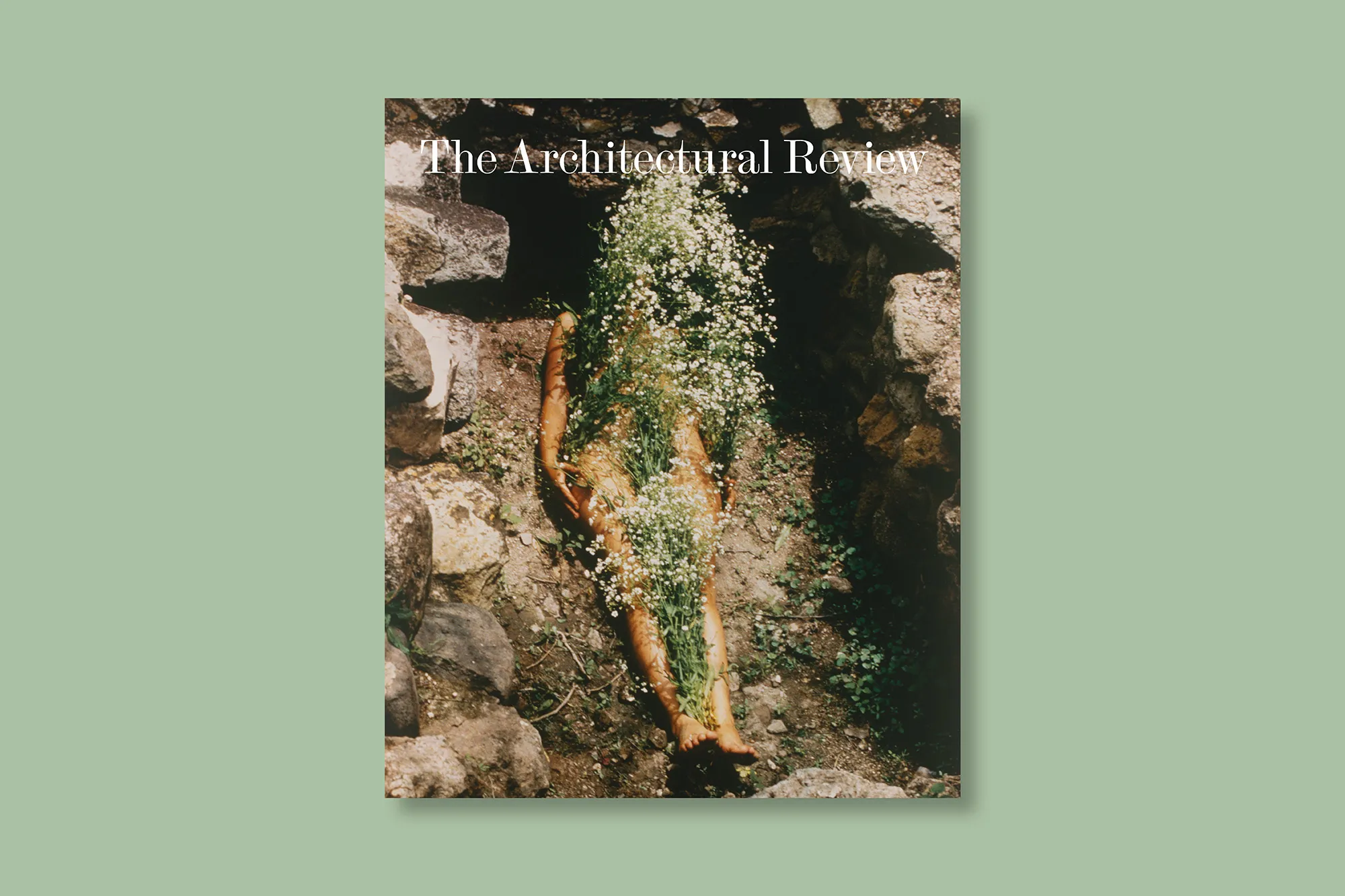
cover (above) Ana Mendieta
In the first iteration of her Silueta series (1973–77), Cuban-American artist Ana Mendieta lies in a Zapotec grave, her body strewn with white flowers. Drawing together themes of ritual burial, death and fertility, the series invokes ecofeminist entanglements. Credit: Imágen de Yágul, 1973 © The Estate of Ana Mendieta Collection, LLC. Licensed by DACS, courtesy Alison Jacques
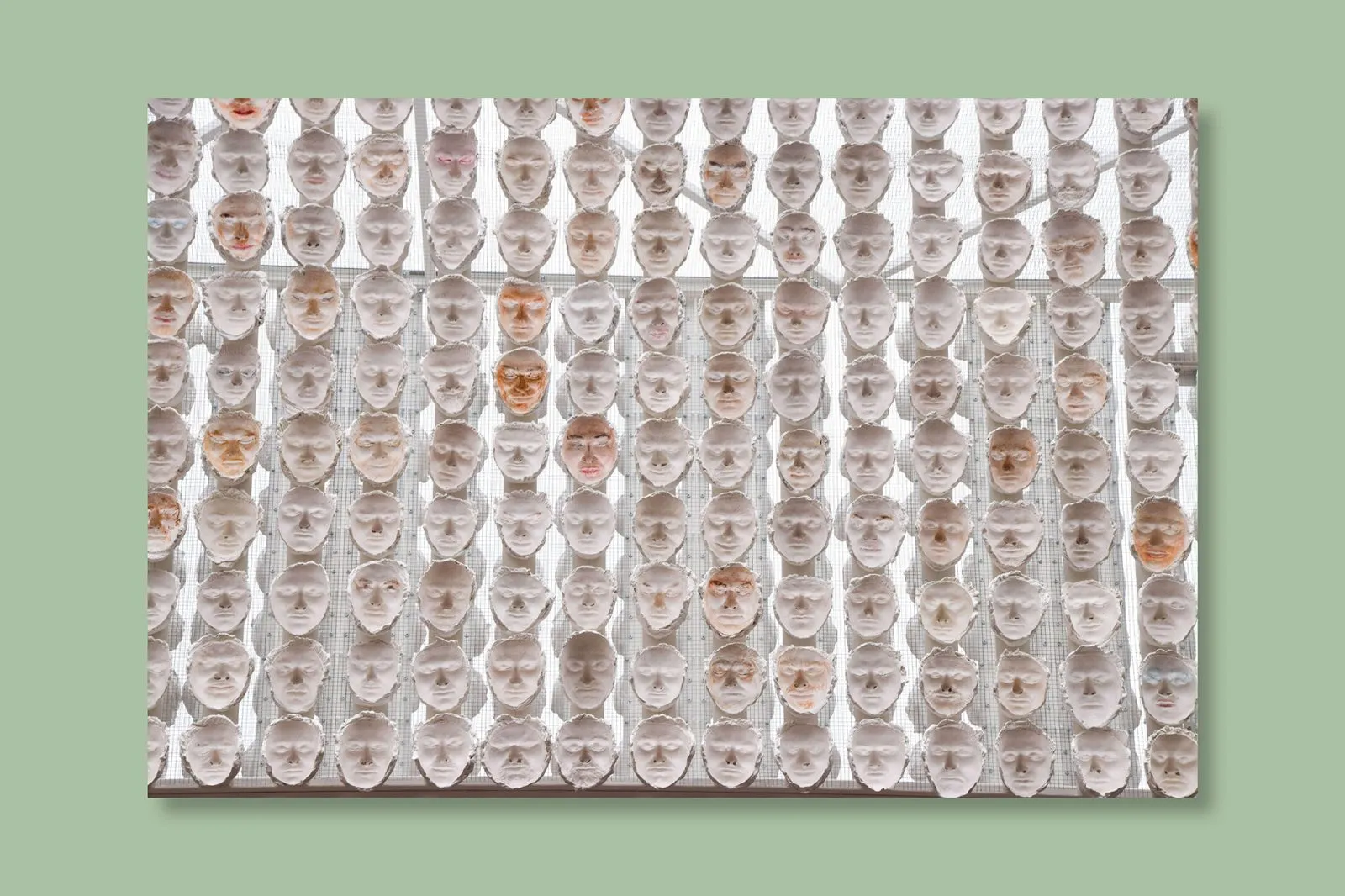
folio (lead image) Teresa Margolles
Mexican artist Teresa Margolles created Mil Veces un Instante (A Thousand Times in an Instant) for London’s Trafalgar Square in 2024. Featuring face casts of 726 people from trans and non-binary communities in Mexico and the UK, it draws on Mesoamerican monuments to mourn the victims of violence against these groups. Credit: SOPA Images Limited / Alamy
keynote
Ecofeminist housekeeping
Hélène Frichot
ada louise huxtable prize for contribution to architecture
reputations
Suad Amiry
Mahdi Sabbagh
jane drew prize for architecture
reputations
Anne Lacaton
Justinien Tribillon
mj long prize for excellence in practice
building
Sunspot
Rebecca Kalbfell, HAT Projects
Kristina Rapacki
building
Faith Museum
Jacqueline Stephen, Níall McLaughlin Architects
Nile Bridgeman
building
Voysey House
Mathilda Lewis
dMFK Architects
Joe Lloyd
building
Westminster Coroner’s Court
Rachel Elliott
Lynch Architects
Ellie Duffy
prize for research in gender and architecture
essay
Designing Motherhood
Michelle Millar Fisher, Amber Winick and collaborators
Anna Livia Vørsel
moira gemmill prize for emerging architecture
portfolio
Ashleigh Killa, The MAAK
Jehan Latief
portfolio
Ana María Gutiérrez, Organizmo
Manon Mollard
portfolio
Sara Alissa and Nojoud Alsudairi, Syn Architects
Rahel Aima
portfolio
Marialuisa Borja, Al Borde
Rómulo Moya Peralta