Studio Anne Holtrop | Carlos González Lobo | Kengo Kuma | BC Architects & Studies | EVR Architecten | Rebecca Horn | Mir Architectes | Lütjens Padmanabhan | Lukas Fúster
Virtually all architects have worked on a home extension at some point in their career. Increasing the size of a property is perceived as a sign of success – of having room to store more things, and to buy even more – and a materialisation of social aspiration.
But in the climate emergency, extensions also help to increase a building’s useful life. For a co-operative apartment block in Zürich, additional balcony space has made room for solar panels, while Jamie Gatty Irving suggests the maligned British conservatory could be part of a decarbonisation revolution. Yet extensions are only truly sustainable if they are built with biosourced, local materials – and if they contribute to social justice. In Brussels, for example, materials are reused and recycled to transform police barracks into a new urban block, while in Paris, social housing units are inserted within and atop an old workshop, vertically extended with a timber frame and hempcrete.
In large parts of the world, homes are built and gradually extended by residents themselves. Sometimes an architect might have a hand in the initial efforts – as Carlos González Lobo did in the aftermath of Mexico City’s 1985 earthquake. But whether planned or not, extensions persist, and crop up as residents’ lives change. As Nancy Kwak observes in the keynote essay, ‘this kind of self-help activity is the most important way in which cities have grown in the last 80 years’.
1518: Extensions

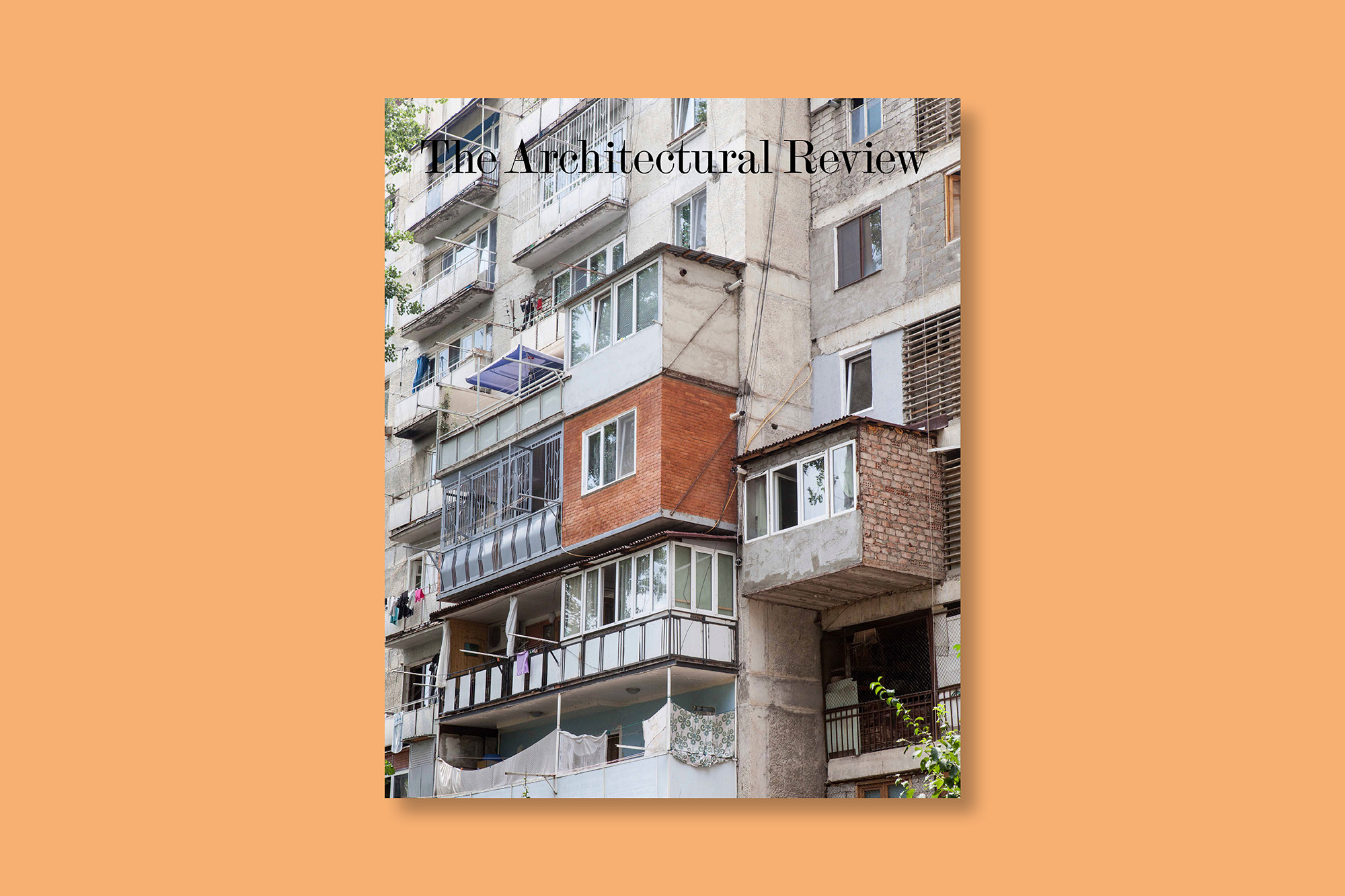
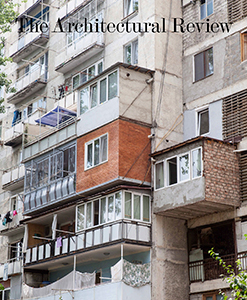
cover (above) photograph by Tako Robakidze
Following the collapse of the USSR in 1991, centralised planning and housing provision stalled in cities like Tbilisi, Georgia. In its absence, inhabitants have taken matters into their own hands, constructing self-built – often precarious – extensions, nicknamed ‘kamikaze loggias’
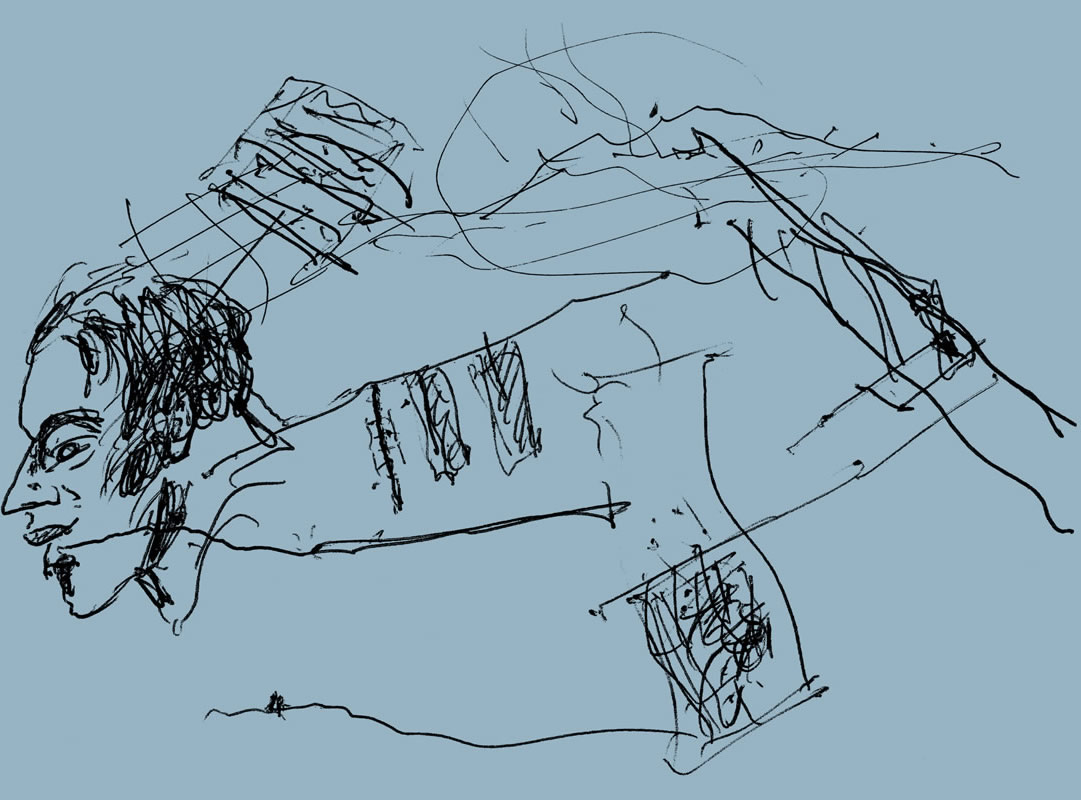
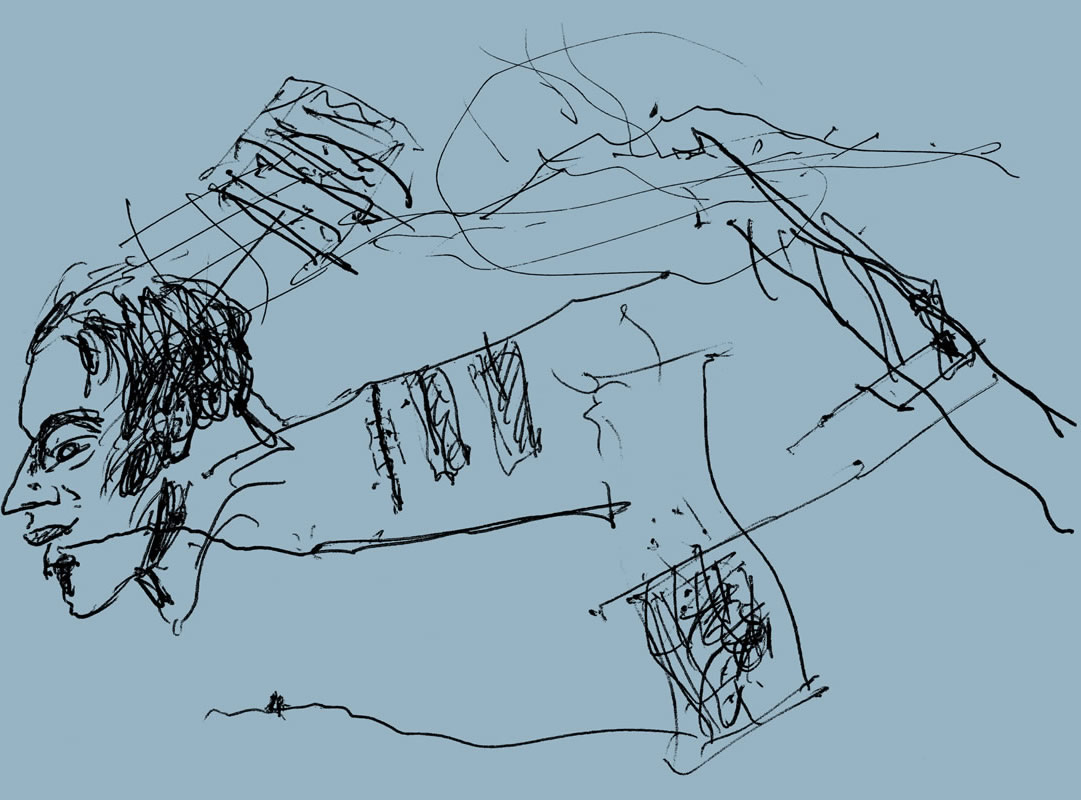
folio (lead image)
William Blake’s 1793 engraving presaged the death throes of the capitalist growth paradigm, in which the desire always for more has prompted plans to colonise the Moon
keynote
Core demands
Nancy Kwak
building
El Agujero de Vysoka cultural centre in Asunción, Paraguay by Lukas Fúster, Nicolás Berger, Sergio Ybarra, Guido Martínez, Javier Rodríguez, the Escuela Taller and students
Laurence Blair
revisit
Extendable post-earthquake housing in Mexico City, Mexico by Carlos González Lobo
Michael Snyder
city portrait
Leading by Eixample: Barcelona, Spain
Julia Capomaggi and Lluís Ortega
outrage
Donald Trump’s Arctic expansions
Jan-Werner Müller
building
Centro de Arte Moderna extension in Lisbon, Portugal by Kengo Kuma and Associates
Edwin Heathcote
building
Usquare Feder university buildings in Brussels, Belgium by BC Architects & Studies, EVR Architecten and Callebaut Architecten
Christophe Van Gerreway
reputations
Rebecca Horn
Jana Baumann
essay
A short history of the conservatory
Jamie Gatty Irving
building
Social housing vertical extension in Paris, France by Mir Architectes
Justinien Tribillon
building
Balcony extensions and communal garden room in Zürich, Switzerland by Lütjens Padmanabhan
Eleanor Beaumont
essay
Offshore grid
Gökçe Günel